

Legal Documents For Selling Land in Pennsylvania: Complete Guide (2026)
How to Sell Land in Pennsylvania
Selling land in Pennsylvania involves several key legal documents that protect both the buyer and the seller throughout the transaction. Whether you are selling by owner or working with a real estate agent, having the right paperwork organized before listing ensures a smooth, legally sound closing.
The most important documents include the deed (which transfers ownership), a purchase agreement (which outlines the terms of the sale), a title report (which proves clear ownership), and tax documentation. Pennsylvania has specific requirements for each of these, and missing or incomplete documents can delay your closing or create legal liability after the sale.
You do not need legal advice to sell land in Pennsylvania, but consulting a real estate attorney is strongly recommended, especially for your first sale. The sale price, mortgage payoff amounts (if applicable), and closing cost responsibilities should all be clearly documented before any buyer commits. Understanding what paperwork is required puts you in control of the process and helps prevent costly mistakes.
Selling Land in PA: Background and Context
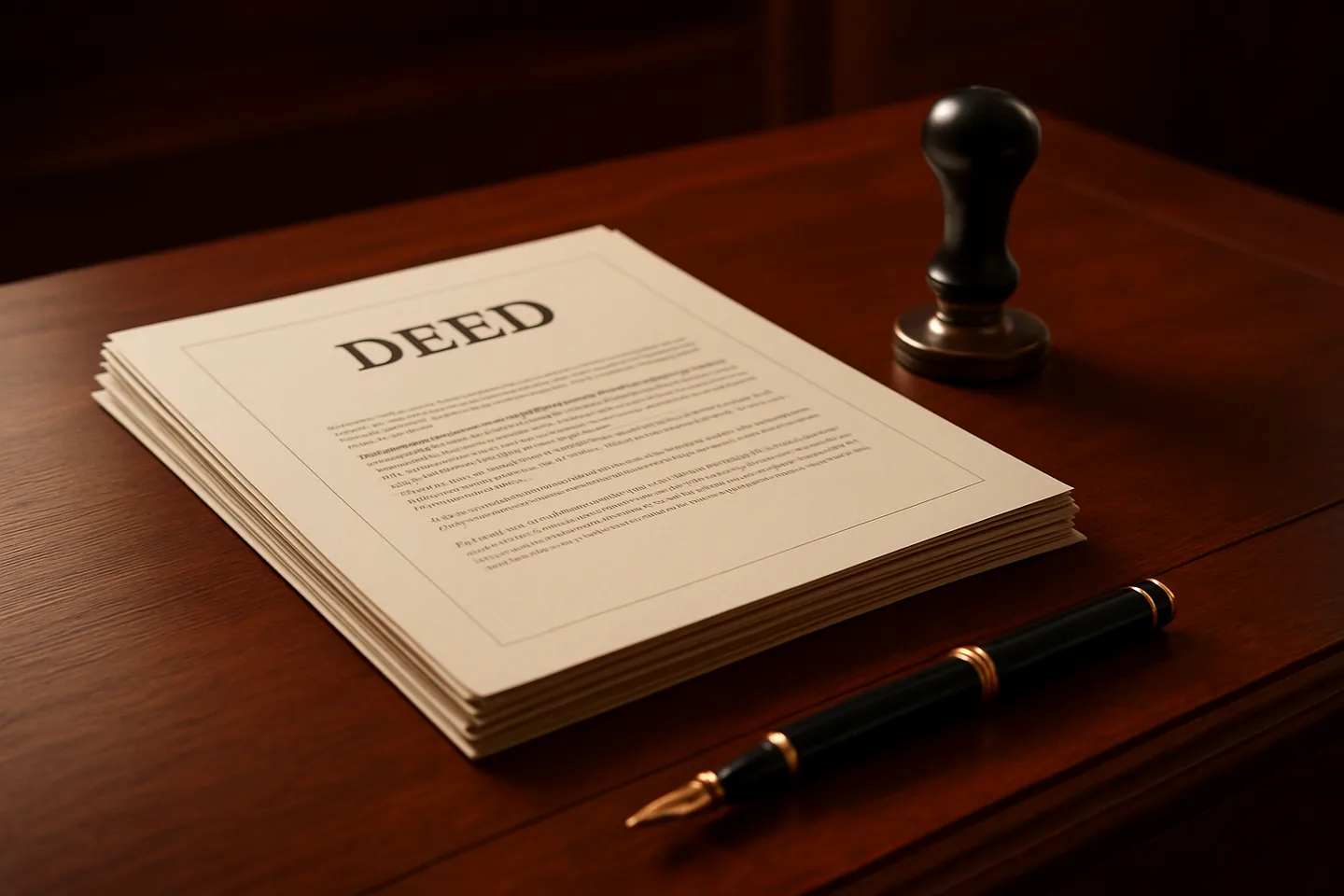
When you sell a piece of land in Pennsylvania, the transaction involves many documents that serve different purposes. Some establish legal ownership, others outline the terms of the sale, and a few are required by the state for tax compliance. Knowing what each document does helps you prepare for a smooth sale from start to finish.
The deed is the most critical legal document in any land sale. It transfers ownership of the property from the seller to the new owner. According to Pennsylvania Consolidated Statutes Title 21, the state recognizes several types of deeds: a general warranty deed (provides the most protection, guaranteeing clear title), a special warranty deed (covers only the seller's period of ownership), and a quitclaim deed (transfers whatever interest the seller has with no warranties). General warranty deeds are the most common in Pennsylvania land sales, and most buyers will expect one.
The purchase agreement is equally important. This is the contract that outlines the purchase price, closing date, earnest money amount, contingencies, and any special conditions. Pennsylvania does not have a standard statewide purchase agreement form, so the document can be drafted by the parties, their attorneys, or a real estate agent. For land sales, it should include a complete legal description of the parcel and clear terms of the sale. Once the agreement is signed by the buyer and seller, it becomes a binding contract.
If you plan to sell your property by owner or list your property with an agent, you will also need a listing agreement (if using an agent), proof of property tax payments, and any documents for selling the property that demonstrate clear title. A title deed and supporting ownership records establish that you have the right to sell. For any land sale or residential property transaction, organizing these key documents early in the sale process saves time and prevents complications. Whether you need to sell a single lot or a large piece of land, having possession of the property's required documents ready is essential for a smooth sale.
Step-by-Step: Documents Needed in PA

Here is a detailed checklist of the documents needed to sell land in Pennsylvania, along with what each one covers.
1. The deed. This is the legal document that transfers real property from seller to buyer. You will need to execute a new deed at closing. Most buyers request a general warranty deed, which guarantees that the title is free of liens, encumbrances, and defects. Work with a real estate lawyer or title company to draft the deed correctly.
2. Purchase agreement (sales contract). This contract defines the terms of the transaction, including the sale price, contingencies, closing timeline, and responsibilities of each party. For vacant land, the agreement should address access, utilities, zoning, and any environmental conditions. This is one of the essential documents in the selling process.
3. Title report and title insurance. A title search examines public records to verify ownership, identify any lien or encumbrance, and confirm that the property can be legally sold. Title insurance protects the buyer against undiscovered defects. The buyer typically pays for title insurance, while the seller may pay for the title search.
4. Survey or plot plan. A current survey shows property lines, boundaries, and any easements or encroachments. While not legally required for every sale, many buyers request a survey before closing. If you have an existing survey, provide it. If not, the buyer may order one as part of their diligence.
5. Realty Transfer Tax Statement of Value (Form REV-183). According to the Pennsylvania Department of Revenue, this form must be filed with every deed recorded in the state. It declares the sale price and is used to calculate the 2% real estate transfer tax (1% state, 1% local). This is among the documents you need regardless of how you sell.
6. Disclosure documentation. Pennsylvania's Seller Disclosure Law requires sellers of residential properties to complete a disclosure form detailing known defects. However, this requirement applies only to properties with dwellings. Sellers of vacant land are not required to complete the standard disclosure form but must still disclose known material defects under common law, including environmental contamination, easements, or boundary disputes.
7. Property tax records. Proof that property tax payments are current. Any delinquent taxes must typically be settled at or before closing. The settlement statement will outline how property tax is prorated between seller and buyer based on the closing date. These real estate documents confirm the land value for tax purposes and show no outstanding obligations.
Potential Challenges With Documents Needed To Sell in PA

Even with the right paperwork in hand, several challenges can arise during the process of selling land in Pennsylvania.
Title defects. A title search may reveal unexpected issues: old liens, unresolved mortgages from previous owners, boundary disputes, or missing heirs with claims to the property. If the title to the property is not clear, you may need to "quiet title" through the courts before you can transfer property ownership from the seller to the buyer. Title companies handle this research, and a real estate agent experienced in land can guide you through the resolution process.
Missing or outdated surveys. If you do not have a current survey, establishing the legal description of the property and the exact property boundaries can be difficult. A vague or incorrect description of the property in the deed can create legal issues after closing. The cost of a new survey varies by parcel size but is typically $500-$2,000 for a standard lot.
Heir or co-owner complications. If you are looking to sell inherited land or a parcel with multiple owners, additional documentation is required. All property owners must sign the deed, and probate documents may be needed to establish your authority to sell. A real estate attorney can prepare a comprehensive list of documents needed for your specific situation.
Closing costs and tax documentation. Sellers often underestimate closing costs, which include the 2% transfer tax, recording fees, title search fees, and attorney fees. All deeds in Pennsylvania must be recorded with the county Recorder of Deeds, which requires the grantor's notarized signature, a complete legal description, and payment of all applicable fees. For a sale by owner transaction, the closing costs fall entirely on your shoulders to coordinate. Working with land buyers who handle these costs can simplify the land sale significantly.
Need To Sell FAQ for Pennsylvania Landowners
What documents are needed to sell vacant land in Pennsylvania?
The essential paperwork includes a deed (typically a general warranty deed), a purchase and sale agreement, a title report, the Realty Transfer Tax Statement of Value (Form REV-183), proof of property tax payments, and a settlement statement at closing. If you have a land survey showing property lines, include that as well. While sellers of vacant land are not required to complete the standard disclosure form under Pennsylvania law, you must still disclose any known material defects. Having this checklist of legal documents ready before listing makes the selling process smoother for everyone involved.
Do I need to hire a title company when selling land?
While not legally required, using a title company is strongly recommended. The title company conducts the title search, issues title insurance, handles the closing, and ensures the property deed is properly recorded. They also manage the transfer of funds between potential buyers and the seller. Selling your property without a title company is possible, but it increases your risk of legal issues. A real estate attorney can serve a similar role if you prefer. Having professional help with these legal documents protects both parties and ensures a legally valid closing date is met.
Can I sell land in Pennsylvania without an attorney?
Yes. Pennsylvania does not require an attorney to be present at closing for land sales. However, the legal requirements involved in preparing the deed, sale agreement, and tax forms can be complex. Many landowners who are ready to sell choose to hire an attorney to draft or review the purchase agreement and ensure the legal document preparation is correct. An attorney typically charges $500-$1,500 for closing assistance, which is far less than the cost of fixing a legal error after the fact. If you are selling a property, having professional guidance is worth the investment.
Ready to Sell Your Land? Next Steps
Understanding the legal documents required to sell land in Pennsylvania gives you confidence and control over the transaction. Whether you are selling your property independently or working with professionals, having the deed, purchase agreement, title report, and tax forms organized before you begin is the key to a successful closing.
If the paperwork feels overwhelming, or if you simply want a faster path, Sell Pennsylvania Land can help. Whether you're selling inherited land, a vacant lot, or rural acreage, we handle all the legal documents, closing costs, and title work. You can sell land by owner with confidence, or you can sell your land directly to us and let our team manage the entire process. We close in as little as 2 weeks across all 67 Pennsylvania counties. Reach out for a no-obligation evaluation and see how we can simplify your land sale.
Need to sell your Pennsylvania land? We buy land directly from owners for cash, with no fees, no commissions, and we close in as little as 2 weeks.
Loading form...
Sell Your Pennsylvania Land for Cash
Ready to sell? We buy land directly from owners across Pennsylvania. Get a fast, no-obligation cash offer.