How to Sell Land To Developer in Pennsylvania (2026 Guide)
Selling Land To Developer in PA: The Basics
Selling your land to a developer in Pennsylvania can be one of the most profitable ways to monetize your property, but it requires understanding what developers look for and how the process works. Unlike listing your land online or working with a traditional buyer, developers evaluate parcels based on their development potential, including zoning classification, access, infrastructure, and the type of project the zone allows.
Before you sell your land to developers, you need to know your land's strengths and limitations. A parcel with favorable zoning, public utilities, and road frontage commands a significantly higher price than raw acreage without these features. Understanding what makes your property valuable to a developer is the first step toward negotiating the best possible deal.
Understanding Land To A Real Estate Developer in Pennsylvania
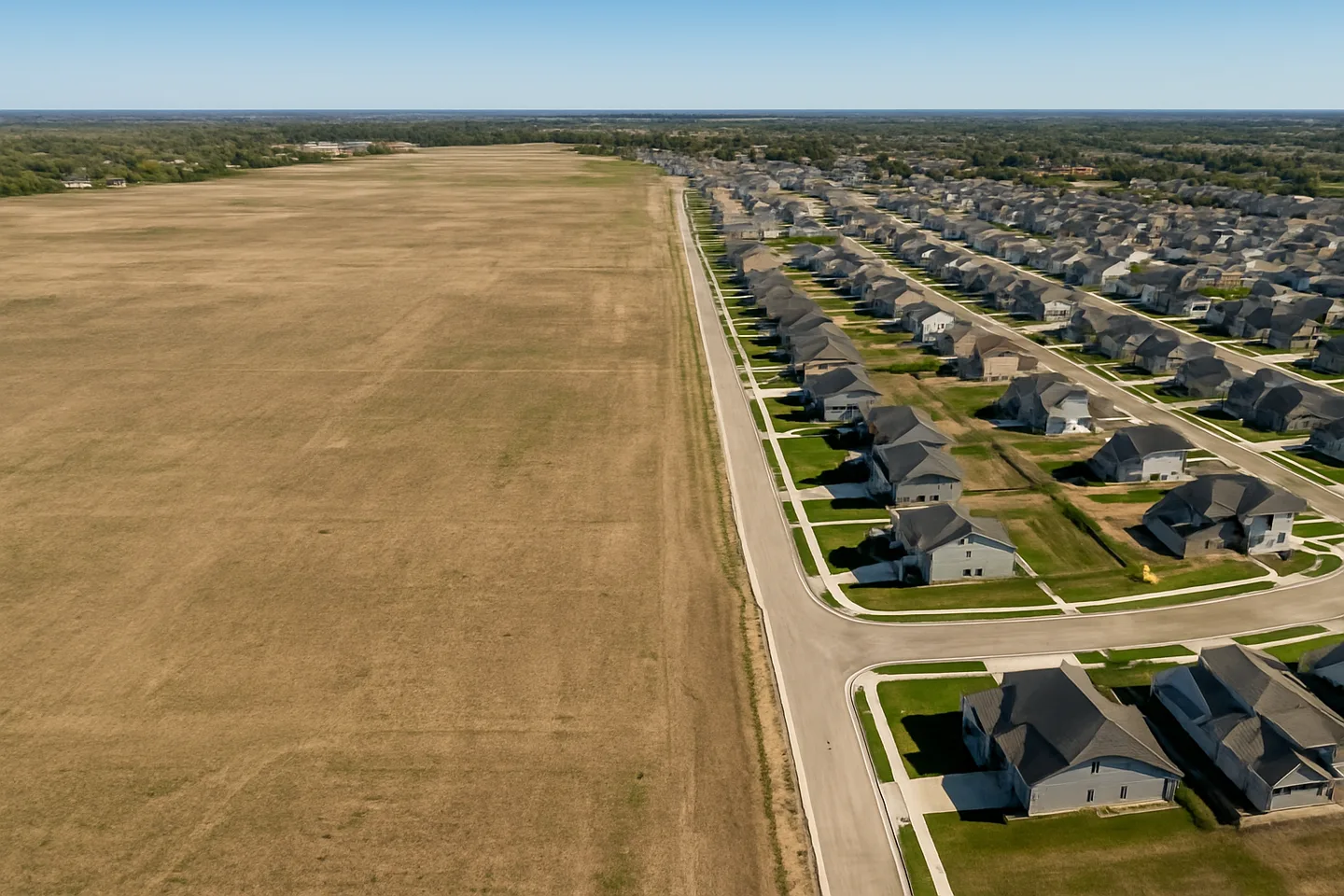
The process of selling land to a developer is different from a typical land sale. Developers are usually looking for parcels with specific characteristics that support their project vision, whether that is residential housing, commercial space, or mixed-use development. Learning how to sell your property effectively to developers requires understanding what motivates them and how they evaluate parcels.
Developers use a residual land value calculation to determine what they are willing to pay. They start with the expected revenue from the finished project, subtract construction costs, soft costs, and their required profit margin, and the remainder is what the raw land is worth to them. This is why developers typically offer 50-80% of retail market value for raw land, according to the National Association of Home Builders. Sellers who have development entitlements in hand, including zoning approvals and subdivision plans, can negotiate closer to full market value because the developer's risk is reduced.
If you are a landowner looking to sell to potential developers, consider what factors influence their interest. Developers are skilled at evaluating properties in your area, and they focus heavily on due diligence. According to the Pennsylvania Department of Environmental Protection, developers investigating Pennsylvania land typically examine zoning classification, environmental constraints such as wetlands and floodplains, utility availability, road frontage, deed restrictions, and soil suitability for septic systems. Dealing with a developer means being prepared to provide detailed information about your parcel. If you may want to sell land to developers, having a recent survey, soil reports, and zoning confirmation ready can accelerate the sale of your property and demonstrate that the land that's being offered has real development value. Land selling to developers is fundamentally about reducing the buyer's uncertainty. Landowners and developers often negotiate land transactions that include contingencies for zoning approval or environmental clearance. A property developer would typically want 90-180 days of due diligence before committing. Selling to developers in the current real estate market means understanding these timelines. You can also sell the property outright with no contingencies, but you may receive a lower offer. Consider whether you want another property to exchange via a 1031 exchange, which can help you sell land to developers while deferring capital gains taxes.
Step-by-Step: How to Sell Land to a Developer in PA
Here is a practical guide for Pennsylvania landowners considering selling to a property developer.
Step 1: Understand your property's development potential. Review your zoning classification through the local municipality. Under Pennsylvania's Municipalities Planning Code (Act 247), each municipality establishes its own zoning ordinance that controls permitted land uses and density. The value of your land to a buyer depends directly on what can be built. Know your property taxes, access to the property, and any restrictions before marketing it.
Step 2: Prepare your documentation. Gather the deed, survey, tax records, and any environmental reports. If your property might need septic systems, Pennsylvania's Act 537 requires suitable soil conditions before development can proceed. Having a perc test completed in advance can make your parcel more attractive to developers interested in moving quickly. Land with approved entitlements can sell for 2-5 times more than raw, unentitled land, according to the Urban Land Institute.
Step 3: Market your land to the right audience. Look for developers who are actively looking for land in your area. Contact local homebuilders, check public records for recent subdivision applications, and list on platforms that attract real estate development companies. One benefit of selling land directly to a reputable property developer is the potential for a faster closing and fewer contingencies. The selling process with a developer is typically more structured than a retail sale.
Step 4: Negotiate carefully. Do not sell to the first buyer who makes an offer. Compare multiple offers. Pennsylvania charges a 2% real estate transfer tax on the sale of land, split between buyer and seller. Factor this into your calculations. Understanding the full cost of the sale helps every land owner negotiate from a position of strength.
Developer Directly: Key Considerations in Pennsylvania
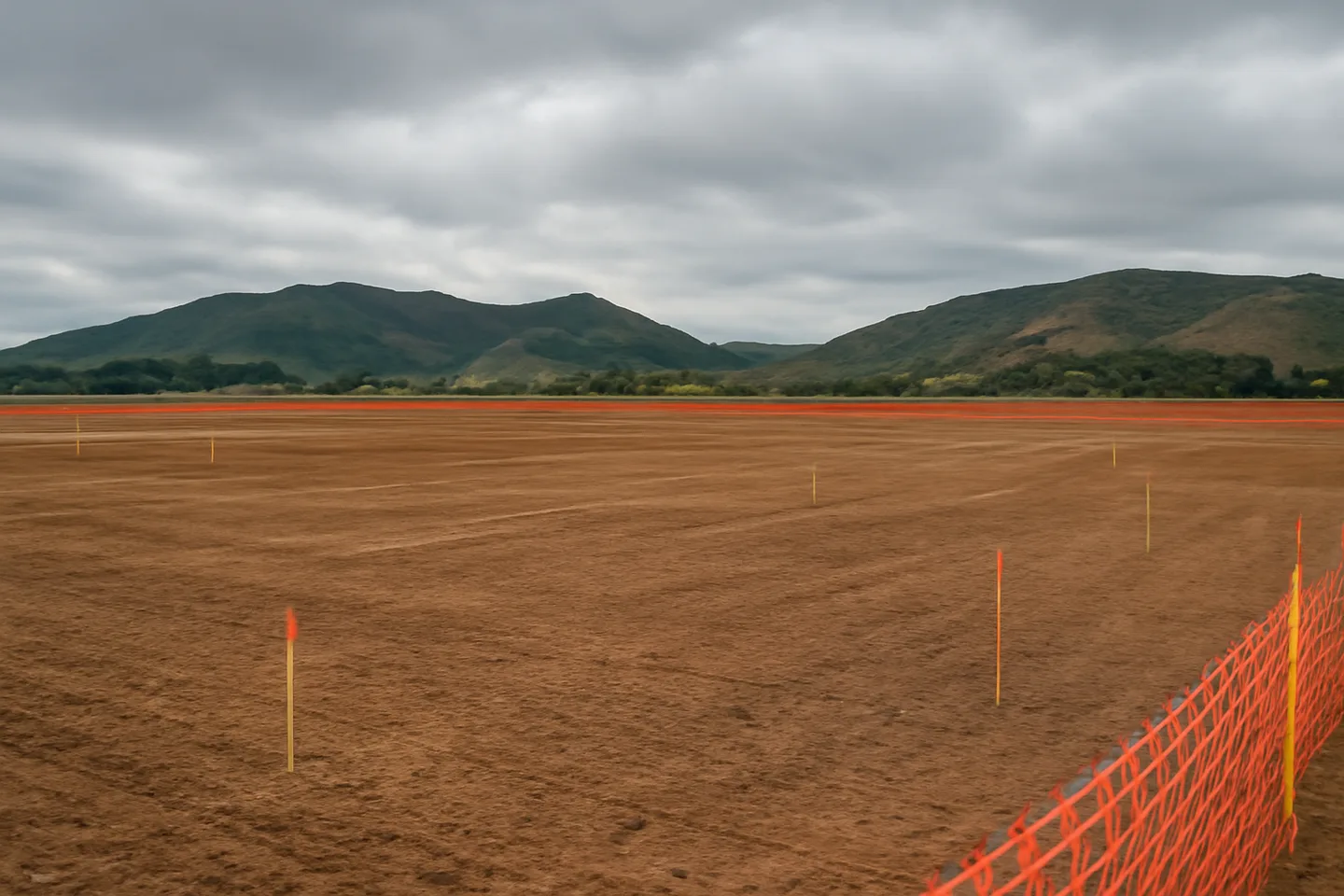
When selling your vacant land to a real estate developer directly, there are several important considerations specific to Pennsylvania.
Zoning contingencies. Developers may include zoning contingencies in their purchase agreement, allowing them to back out if the municipality denies their development application. The subdivision approval process in Pennsylvania typically takes 90-180 days. During this period, your property is effectively off the market. Property owners should understand the risks of tying up their land during a developer's due diligence period without a non-refundable deposit.
Environmental regulations. Pennsylvania has strict environmental regulations that can affect land acquisition timelines. Wetlands, floodplains, and Act 2 brownfield sites all require additional review. If your land could have environmental constraints, disclose them upfront. Developers want to avoid surprises during due diligence, and transparency helps maintain trust between parties.
Common pitfalls of selling land to a developer. One risk is undervaluing your property because you do not understand its development potential. Another is accepting contingent offers that lock up your property for months while the developer seeks approvals that may never come. A real estate professional with expertise in development properties in your area can help you evaluate offers. If you are able to sell to potential land buyers who are serious and well-capitalized, you reduce the risk of a deal falling through. Some property developers may also propose a joint venture or profit-sharing arrangement instead of buying the land outright, which can yield a higher return but also carries more risk for the landowner.
Frequently Asked Questions About Selling Land To Developer
How much will a developer pay for my land?
Developers typically offer 50-80% of retail market value for raw, unentitled land. The exact amount depends on the type of development the parcel can support, infrastructure costs, and local market conditions. Land with approved entitlements commands property prices closer to full market value. Since developers factor in construction costs, permitting, and their profit margin, their offers reflect what the land is worth as a development input, not its retail value to an individual buyer. Get multiple offers to compare, and consider whether listing your property online to additional developers might bring a better deal.
How can I avoid paying capital gains when selling land to a developer?
A 1031 exchange allows you to defer capital gains tax by reinvesting proceeds into another qualifying property. You can also increase your cost basis by documenting capital improvements. Selling undeveloped land that you inherited benefits from a stepped-up basis, which reduces or eliminates capital gains. A real estate agent or tax advisor can help structure the transaction for the best tax outcome.
What do developers look for when buying land?
Developers often focus on zoning, access, utility availability, environmental conditions, and market demand. A parcel of land with public water and sewer, road frontage, and favorable zoning for the desired type of development is the most attractive. Large tracts of land near growing communities command premium interest. Developers want to avoid environmental complications and unclear title, so having your documents organized helps. Selling to a developer means selling a vision of what the land to a real estate project can become, not just the raw acreage itself. Vacant land in high-demand areas with strong demographics attracts the most developer interest.
Ready to Sell Your Land? Next Steps
Whether you are attempting to sell your land to a developer or exploring other options, understanding the market value and development potential of your property is essential. Selling land for development can yield a higher return than selling to a retail buyer, but it requires patience, preparation, and the right strategy.
If the developer route is not the right fit, or if you want a faster, simpler alternative, Sell Pennsylvania Land purchases vacant land, raw acreage, and inherited property across all 67 Pennsylvania counties. We provide fair cash offers, handle all closing costs, and close in as little as 2 weeks. Reach out for a no-obligation evaluation and see how your options compare.
Need to sell your Pennsylvania land? We buy land directly from owners for cash, with no fees, no commissions, and we close in as little as 2 weeks.
Loading form...
Sell Your Pennsylvania Land for Cash
Ready to sell? We buy land directly from owners across Pennsylvania. Get a fast, no-obligation cash offer.